A roof decision often starts with a simple moment: you hear the first heavy drops, then the sharper rattle that hints at hail, and you catch yourself listening for the one sound you don’t want — water finding its way inside. Recent severe storms in our wider region have produced very large hailstones capable of damaging vehicles and buildings, which is a good reminder that roofing isn’t just about looks.
Choosing between metal, concrete tile, terracotta or a specialty material is really a choice about how your home will handle impact, fast-moving rain, harsh sun and those quick temperature changes that can make materials expand and contract. The goal is to understand the trade-offs clearly, then pair that choice with professional roofing services that keep small issues from turning into expensive repairs.
When Weather Swings Hard, Your Roof Material Becomes Your First Line of Defence
Most homeowners don’t think about roof performance until something forces the issue — a blocked valley, a lifted sheet edge, a cracked ridge cap or a slow leak that only appears in “sideways” rain. The material you choose sets the baseline, but it’s the detailing and ongoing care that decides how well it holds up over time.
Before comparing options, it helps to consider what your roof regularly faces and how that translates into real-world wear.
Here’s what typically drives repair call-outs and inspections after rough seasons:
- Sudden impact events (hail) that crack, chip, dent or dislodge components
- Heavy rain that tests flashings, valleys, gutters & roof plumbing transitions
- UV exposure that ages coatings & sealants, especially at laps & penetrations
- Temperature movement that loosens fixings & stresses mortar, pointing & joins
Colour-Coated Steel Roofing: Neat Profiles, Quick Drainage & Dent-Aware Expectations
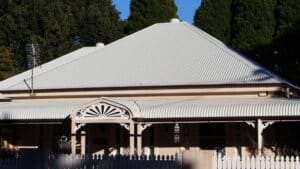
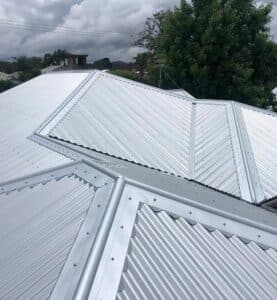
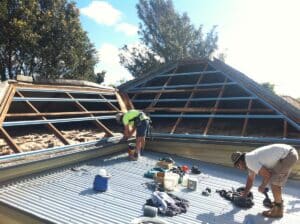
Colour-coated steel (including COLORBOND® steel) is popular because it’s comparatively lightweight, sheds water efficiently and suits a wide range of home styles. It can also be repaired in targeted ways: replacing damaged sheets, re-securing edges, renewing screws and washers and resealing penetrations without needing to disturb the whole roof.
Hail is the key “watch item”. Steel roofing is generally structurally robust, but hail can leave dents and cosmetic marks depending on stone size, roof pitch and sheet profile. That’s why post-storm inspections matter — not just for looks, but to confirm fixings and laps haven’t been compromised.
If you’re weighing this option, keep these practical factors in mind:
- Dents may be cosmetic, but detailing (laps/flashings) still needs checking
- Coating condition at cut edges & penetrations influences long-term durability
- Professional resealing around skylights, vents & chimneys prevents recurring leaks
- Warranty eligibility can depend on correct product selection & installation context
Other Metal Roofing Types: What Changes when The Coating & Profile Change
Not all metal roofs behave the same way. Base metal thickness, protective coatings and profile choice can affect noise, rigidity and how a roof “shows” storm impacts. Some homeowners prefer a crisp, modern sheet profile; others want something that feels more traditional. Either way, the repair approach is usually about isolating the problem area and restoring the weather seal — efficiently and safely.
Where metal roofing really shines is in serviceability. A skilled roofer can often trace a leak to a specific penetration, flashing junction or fastener line and repair it without unnecessary replacement.
When comparing metal options, pay attention to what influences maintenance and repair outcomes:
- Thicker, properly specified steel tends to be more robust under impact scenarios
- Wider pans & certain profiles may highlight denting more than others after hail
- Sound & heat performance depends heavily on insulation, sarking & ventilation
- Flashings, gutters & downpipes are often the “weak link” — not the sheets
Concrete Tiles: Solid, Familiar & Reliant on Well-Maintained Ridge & Valley Detailing
Concrete tiles suit many established homes because they look substantial and can handle rough weather well when the roof system is maintained. They’re also modular, which can be helpful for repairs — individual tiles can be replaced, and specific zones (like a cracked valley or broken hip line) can be stabilised without a full reroof.
The catch is that tiled roofs depend on a network of supporting details: underlay condition, battens, valleys and the bedding and pointing along ridges and hips. Over time, mortar can crack and wind-driven rain can exploit gaps that look minor from the ground.
A professional repair plan for concrete tile roofs commonly focuses on:
- Re-bedding & repointing ridges/hips where mortar has failed (no shortcuts)
- Replacing cracked or displaced tiles & checking adjacent courses
- Valley & flashing repairs to stop water tracking under tiles
- Cleaning & inspection to remove debris that causes ponding & overflow
(Technical guides for tile systems highlight the role of standards-based installation, wind considerations and water management details.)
Terracotta Tiles: Long-Lived Colour, but More Brittle when Impacted & Movement Shows Up
Terracotta appeals to homeowners who value a classic finish and colour that’s baked into the material rather than painted on. High-quality terracotta is often described as highly resistant to moisture and UV-related fading, which is a real advantage where sun exposure is relentless.
However, terracotta can be more brittle than concrete in certain impact scenarios, and repairs need a careful hand to avoid creating new cracks while accessing the problem area. The roof may also be older, which means the “supporting cast” — flashings, underlay, valleys and roof plumbing penetrations — might be where the real risks sit.
If terracotta is on your shortlist, consider the service implications:
- Replacement tiles must match profile & size; sourcing can affect repair timelines
- Ridge/hip maintenance still matters — pointing & bedding failures can drive leaks
- Professional flashing work is critical around chimneys, skylights & pipe penetrations
- Post-storm inspections help identify hairline cracks before water finds them
Specialty Roofing Materials: Slate, Membranes & Architectural Finishes that Need a Tailored Repair Plan
Specialty materials can look impressive and, in some cases, deliver strong longevity — but they often demand more specialised knowledge when repairs are needed. Slate, for example, is heavy and highly dependent on correct fixing methods. Certain membrane systems rely on impeccable joins and termination detailing. Architectural metal cladding can include complex folds that aren’t forgiving if water gets behind them.
For homeowners, the main point is this: the rarer the system, the more important it is to use a roofing team that understands how to repair it without compromising the surrounding roof.
When comparing specialty options, think beyond the brochure and ask about:
- How leak detection is performed without unnecessary removal of sound materials
- Availability of matching components for future repairs
- Whether the system is repair-friendly after storms or relies on large-area replacement
- The roof plumbing interfaces (gutters, sumps, box gutters) that often trigger issues
Your Gutters & Flashings Decide More than Your Roof Material Ever Will
It’s easy to focus on the main roof covering and forget the parts that move the water away. Yet many “roof material problems” are actually drainage and flashing problems: a rusted valley, an undersized or blocked gutter line, a failed apron flashing or a penetration that was sealed once and never revisited.
This is where professional roofing services add real value. A thorough inspection looks at how the whole system behaves — not just what it’s made from. Done properly, repairs restore water flow paths, protect junctions and reduce the likelihood of repeat call-outs in the next heavy downpour.
A practical, repair-first checklist usually includes:
- Gutter & downpipe condition, alignment & overflow risks
- Flashing integrity at walls, chimneys, skylights & roof-to-roof transitions
- Valley condition & debris load (a common cause of hidden leaks)
- Sealant & fastener ageing, especially where movement is expected
Noise, Heat & Comfort: Material Choice Matters, but Roof Assembly Matters More
Home comfort isn’t just about the outer layer. Two roofs made from the same material can perform very differently depending on insulation, sarking, ventilation and ceiling condition. Metal roofs can be quieter and more stable in temperature when the build-up is specified well; tiled roofs can also suffer heat and moisture issues if ventilation is poor or if sarking has deteriorated.
From a services perspective, this is where inspections and restoration work pay off. A roofing team can identify heat and moisture pathways, recommend ventilation improvements and repair the small failures that let hot air, dust and moisture into roof cavities.
When you’re comparing materials, factor in the “whole roof” conversation:
- Insulation & sarking condition (& whether it needs replacement during major work)
- Ventilation balance to reduce condensation risk & help manage heat build-up
- The condition of roof penetrations & seals that leak air as well as water
- How future repairs will be accessed safely without damaging the roof covering
A Decision Framework that Protects Resale Value & Reduces Surprise Repair Costs
Most homeowners want two things that can feel like they’re in tension: a roof that looks right for the home, and a roof that won’t become a recurring maintenance story. The best way to balance that is to treat material selection and service planning as one decision.
Metal can be straightforward to repair in sections. Tile roofs can be very durable, but they depend on the condition of ridges, valleys, and underlay. Specialty materials can be beautiful, but repairs may require specialist handling and matching materials.
Before you commit, it’s worth mapping the choice against your own priorities:
- Expected exposure to storms & impact, & what “acceptable cosmetic change” looks like
- How quickly you want issues diagnosed & repaired after severe weather
- Maintenance tolerance: periodic inspections versus “set & forget” assumptions
- How the roof choice supports buyer appeal & long-term ownership costs
Ready for A Roof Material Decision That’s Backed by Proper Repairs?
If you’re weighing up materials or you’re already seeing signs of wear, we at Garden City Roofing can help you compare options with a repair-first mindset — then carry out the professional work that keeps your roof performing through Toowoomba’s hail, heavy rain, UV exposure and sharp temperature shifts. That includes inspection reports, storm damage assessments, leak detection, flashing and gutter repairs and targeted restoration that prioritises safety and long-term weatherproofing. For roofing Toowoomba homeowners and anyone booking roofing services Toowoomba, contact us to talk through your roof, arrange an inspection, and lock in a clear plan to protect your home.